 Course Overview
What is Trauma Management Training?
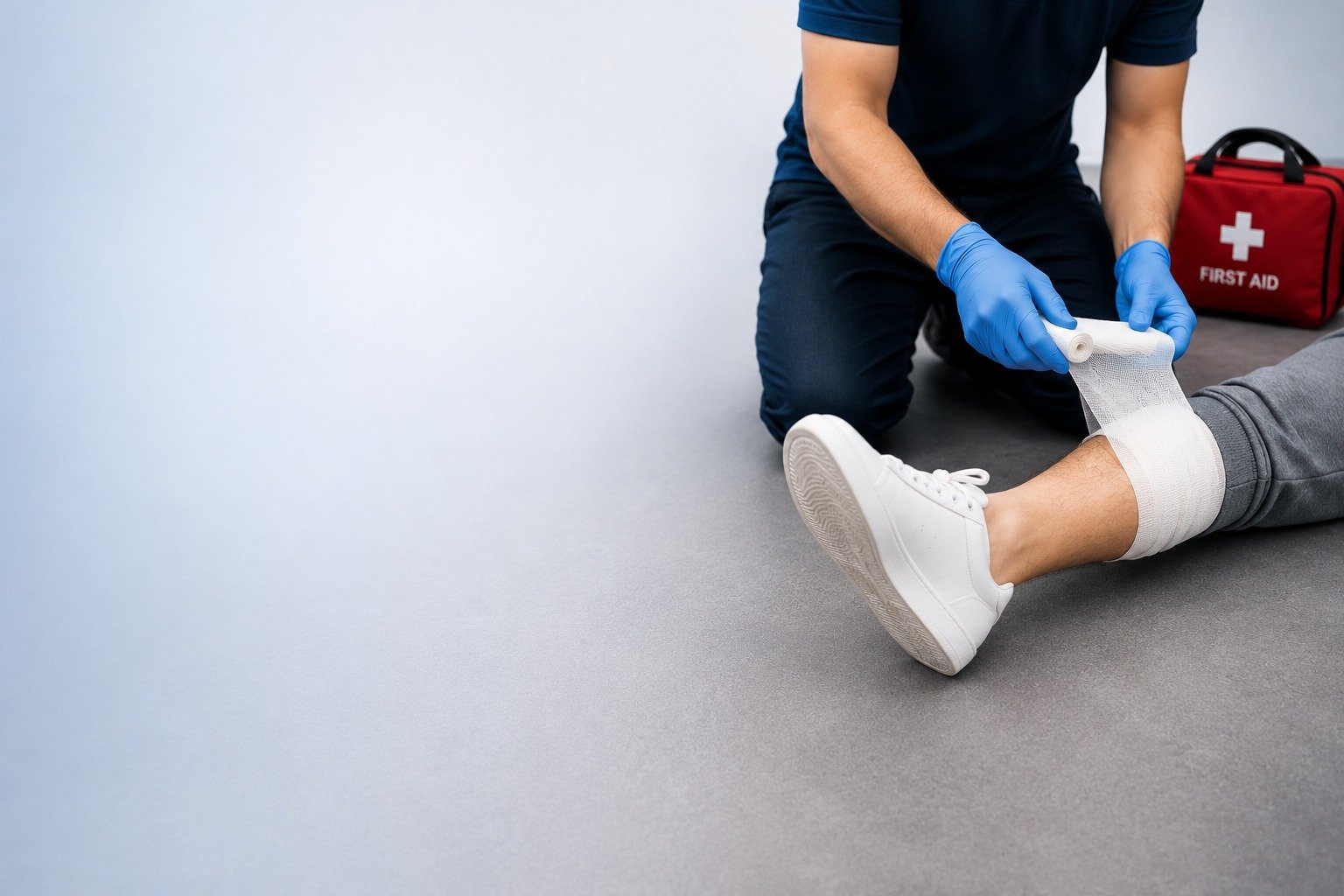
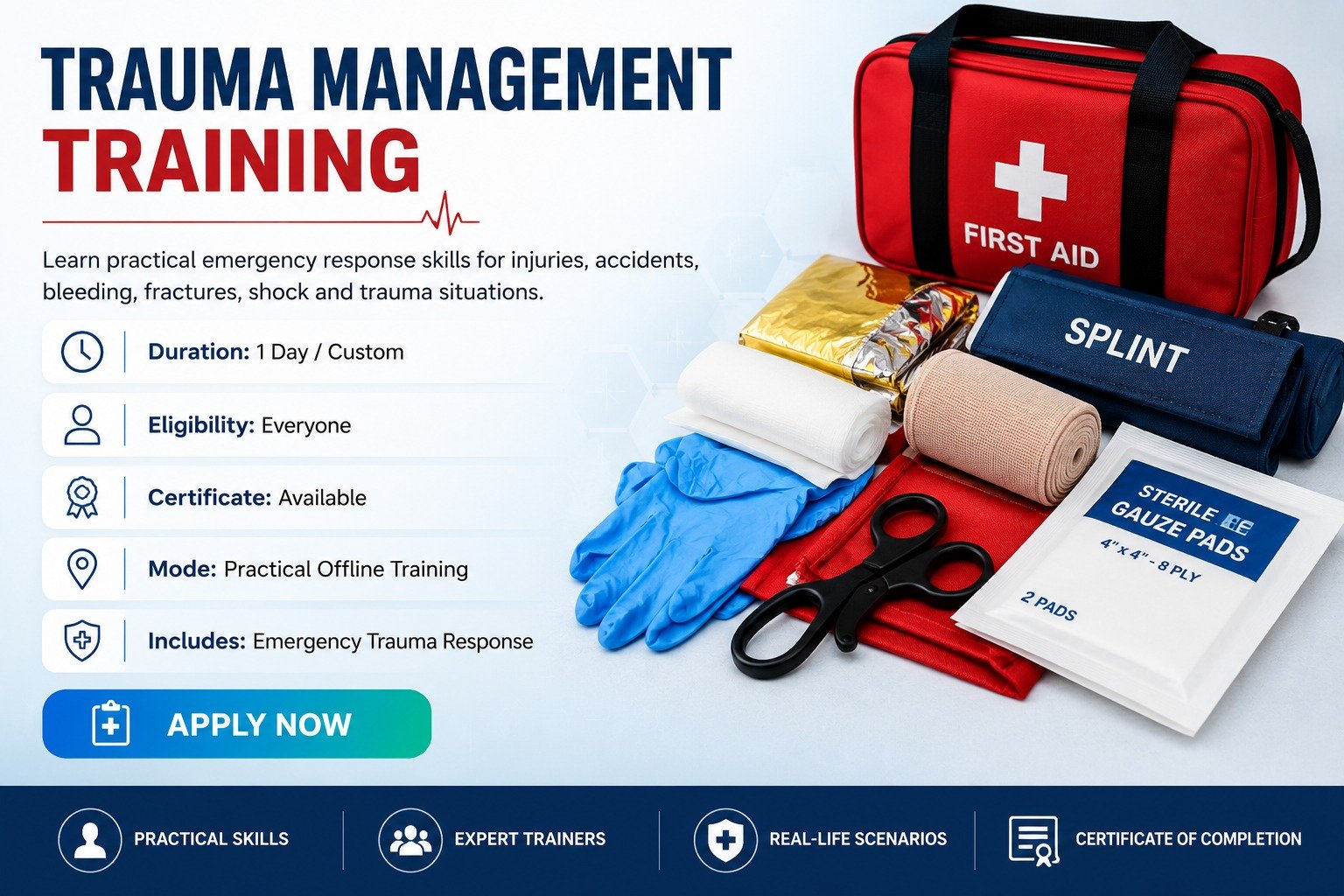
Trauma Management Training teaches participants how to provide immediate care to a person suffering from physical injury or trauma before professional medical help arrives. Trauma may occur due to road accidents, falls, workplace incidents, sports injuries, burns, bleeding, fractures, violence, disaster situations or humanitarian emergencies.
The course focuses on improving the quality of initial care and ensuring the safety of victims. A trained first aider can help control the situation, reduce further harm, support the injured person, and assist paramedics by providing correct early care.
Feel Safe Education and Sports Foundation’s Trauma Management Training is suitable for students, teachers, workplace staff, security teams, volunteers, fitness instructors, lifeguards, community responders and anyone who wants to be prepared during serious emergencies.
Why Trauma Management is Important
During trauma emergencies, the first few minutes are extremely important. Correct response can reduce blood loss, prevent shock, protect the spine, support breathing and improve the victim’s chance of recovery.
- Helps manage injuries before medical support arrives.
- Teaches bleeding control, bandaging and victim handling.
- Builds confidence to respond during accidents and emergencies.
- Useful for workplaces, schools, events, sports and communities.
- Helps support paramedics with correct early care.