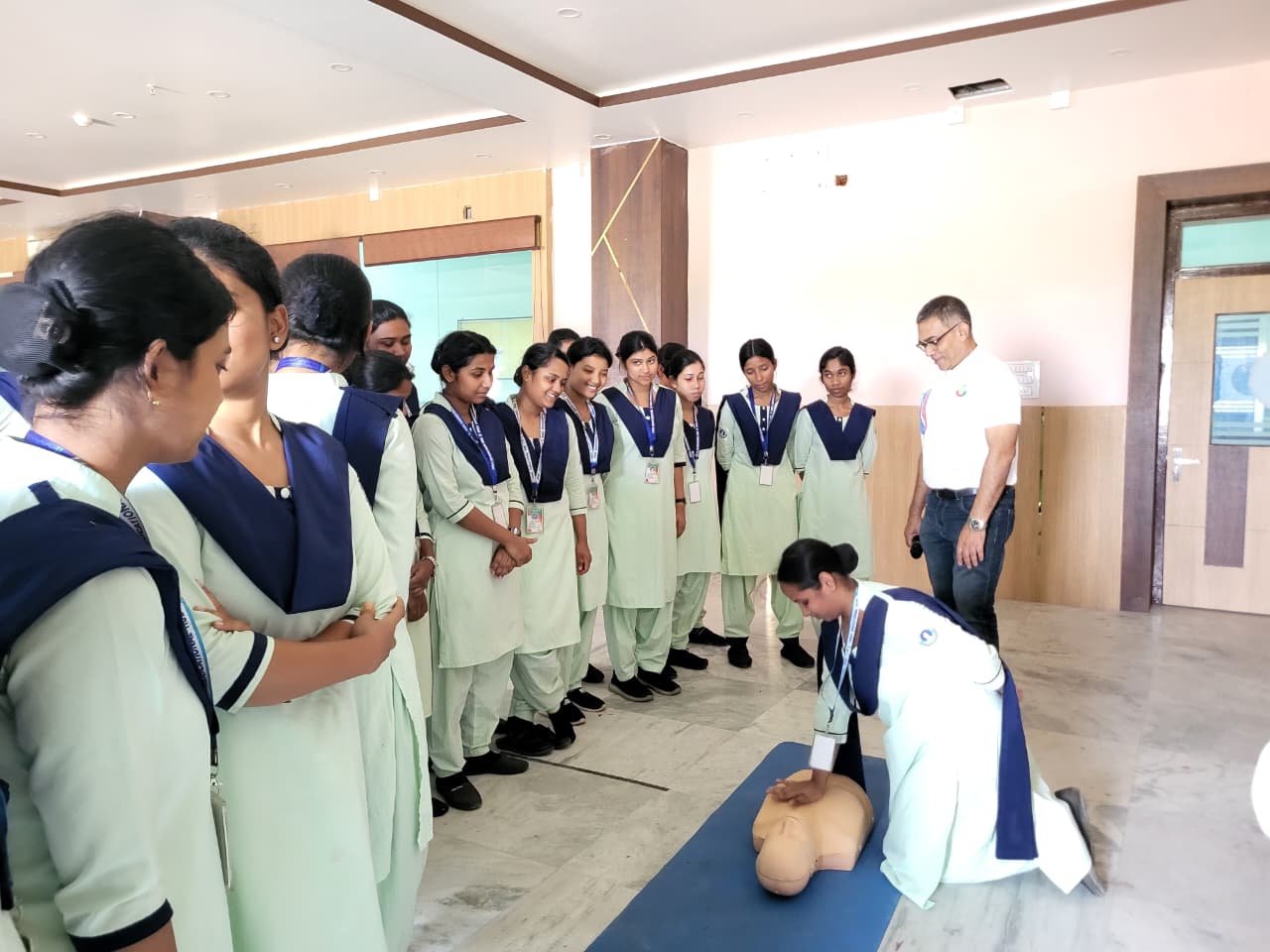
Learn essential lifesaving skills to recognize emergencies, perform safe rescues and provide immediate assistance before professional responders arrive.
This course develops essential lifesaving abilities for people who may need to respond during water-related or general rescue emergencies. Participants learn how to identify danger, select a safe rescue method and provide immediate support until professional responders arrive.
The program combines safety awareness, self-rescue, reaching and throwing assists, swimming rescues, equipment-based rescue and team response techniques through guided practical training.
Identify warning signs and understand when immediate action is required.
Protect yourself and avoid becoming an additional casualty.
Choose reaching, throwing, swimming or equipment-based rescue methods.
Support casualties safely until trained professional responders arrive.
By completing the program, participants will be able to recognize emergencies, choose safe rescue options and respond with greater confidence.
Recognize distress, danger and changing conditions so assistance can begin without unnecessary delay.
Select and perform an appropriate rescue method while protecting both the rescuer and the casualty.
Follow clear emergency response steps, communicate effectively and provide immediate assistance.
Develop practical confidence through demonstrations, guided practice and realistic rescue situations.
The curriculum combines essential safety knowledge with demonstrations, guided rescue practice and team-based emergency exercises.
Understand common aquatic hazards, safe behaviour, risk recognition and basic prevention principles.
Learn how to remain calm, conserve energy and move safely when experiencing difficulty in water.
Assist a person from a safe position using reaching aids, ropes, flotation devices and throwing techniques.
Approach and assist a casualty in water using safe swimming, positioning and recovery techniques.
Use rescue tubes, flotation aids and other available equipment to improve rescue safety and effectiveness.
Apply scene assessment, rescuer safety, communication, casualty handling and emergency priorities.
Coordinate with other rescuers, allocate responsibilities and manage rescue situations as a team.
Participants build confidence through demonstrations, guided practice, rescue drills and team-based emergency scenarios.
Clear demonstrations of safe rescue methods and correct response procedures.
Supervised practice with feedback to improve safety, control and confidence.
Realistic exercises that develop awareness, judgement and appropriate rescue action.
Coordinated exercises that develop communication and teamwork during rescue situations.