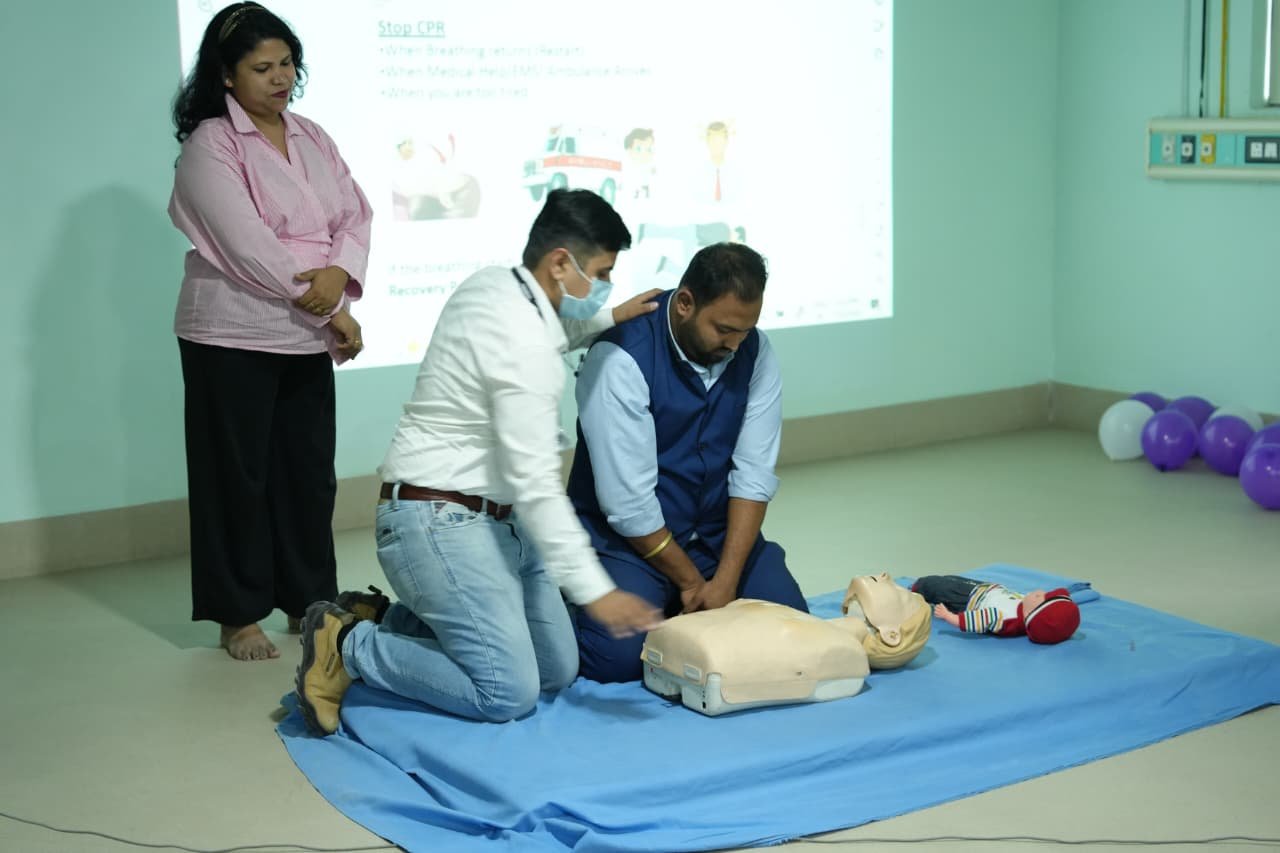
Comprehensive emergency response training for first responders, volunteers and personnel responsible for immediate casualty care.
This course develops the practical knowledge and confidence required to respond during medical, trauma and rescue emergencies. Participants learn how to assess scenes, identify priorities, provide immediate care and coordinate safely with professional responders.
Participants learn scene safety, patient assessment, CPR and AED, emergency first aid, trauma care, rescue techniques, communication and incident reporting through demonstrations and realistic response scenarios.
Identify hazards, protect responders and casualties, and establish a safe working area.
Perform a structured primary assessment and identify life-threatening conditions quickly.
Provide CPR, AED support, first aid and trauma care until advanced help arrives.
Communicate clearly, coordinate responders and complete accurate incident reports.
By completing the program, participants will be able to assess emergency scenes, provide immediate care and coordinate an effective first response.
Identify hazards, protect everyone involved and establish clear response priorities.
Deliver CPR, AED support, first aid and trauma care until professional responders arrive.
Communicate clearly, work effectively with others and complete accurate incident reports.
The curriculum combines scene safety, patient assessment, CPR, first aid, trauma care, rescue, communication and incident reporting.
Recognize hazards, use appropriate precautions and protect responders, casualties and bystanders.
Perform primary and secondary assessments and identify immediate life-threatening conditions.
Recognize cardiac arrest, perform high-quality CPR and operate an AED safely.
Manage bleeding, burns, choking, shock and common medical emergencies effectively.
Stabilize fractures, protect the spine, manage severe bleeding and support trauma casualties.
Apply safe casualty access, movement, lifting and basic rescue procedures.
Use clear emergency communication, role allocation and professional handover techniques.
Record important incident details accurately and complete appropriate response documentation.
Participants learn through instructor demonstrations, guided casualty care, rescue drills and realistic emergency-response scenarios.
Clear demonstrations of scene safety, patient assessment, CPR and emergency care.
Supervised response drills that improve safety, teamwork and confidence.
Realistic scenarios that test assessment, communication and coordinated response.
Practice radio communication, handover, documentation and incident reporting.
Join the Immediate Emergency Care Programs program or contact us for customized rescue and safety training for schools, clubs, institutions, workplaces and community groups.